June 1, 2026
CS-SIMD: Critical for Flight Simulator Consistency
CS-SIMD ensures full flight simulators rely on traceable flight-test data, improving validation consistency, approvals, training quality and aviation safety.

Simulators have been used in flight training almost since the beginning of powered flight, for obvious reasons. Training in an actual aircraft in flight is expensive, complex, and limited in scope. Simulator training is intrinsically safer, orders of magnitude more economical, and permits training of abnormal and emergency scenarios. Simulator training is also repeatable and allows standardized pilot qualification.
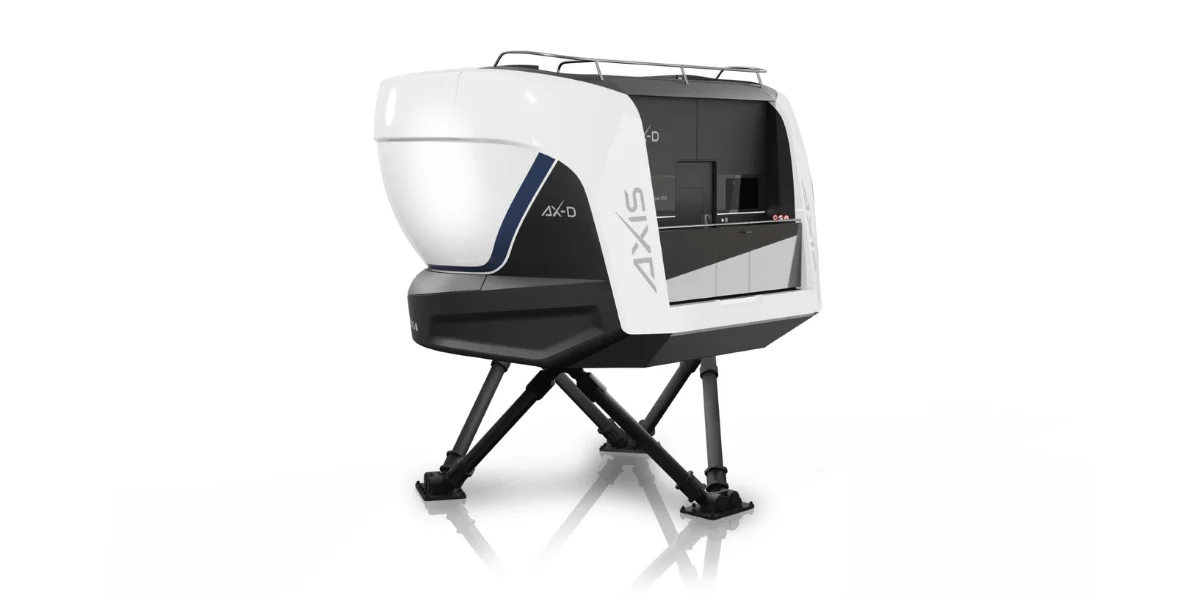
Full Flight Simulators (FFS) are designed to reproduce the performance, handling, and system responses of specific aircraft. They are used for initial type rating, recurrent training, and abnormal scenario training, and are fundamental elements in a certified training system. Their use has contributed to the very high safety of modern aviation; by the same token, the increasing complexity of aircraft systems makes simulators critical in today’s pilot training and qualification.
The Simulator Validation Consistency Gap
Simulator fidelity has a direct impact on training quality, safety, and certification approval, but simulator validation was formerly inconsistent. The data used for validation varied widely in quality and was not always clearly documented. There was no standardized, predictable way to define and manage it. In addition to actual flight test data, it often included engineering assumptions and interpretation by regulatory authorities. This made it hard to compare across programs and resulted in inconsistent simulation quality, varying acceptance criteria, and delays in simulator approval. Flight simulators are normally required before aircraft enter service, so incomplete or unstructured validation data slows entire programs down.
The CS-SIMD Solution
CS‑SIMD (Certification Specifications for Simulator Data) is the solution. This is a regulatory framework that defines:
- What aircraft data must be used
- How that data must be structured
- How it must be justified
- How it must be managed over time
CS‑SIMD is closely linked to simulator qualification standards (CS‑FSTD(A)) but does not regulate the simulator device itself; it regulates the data behind the simulator, which the simulation is based on. In doing so it ensures that simulator behaviour is based on accurate flight data, and turns simulator validation into a planned certification workstream.
CS-SIMD changes how aircraft programs are planned. Before it came into effect, flight test data was collected first and foremost for aircraft certification, with simulator validation as an afterthought. But the data needed for aircraft certification and for simulator validation are not identical, and this practice led to gaps. With CS-SIMD, validation data requirements must be defined from the beginning, and flight testing must support data capture for both aircraft certification and simulator validation. The resulting data must be structured, documented, and traceable. In effect, this positions simulation as part of certification. This reflects operational realities, since simulators are no longer a downstream element distinct from the aircraft, but integral components in operational use.
CS‑SIMD does not affect all aircraft equally. It is fully embedded into new aircraft certification programs; engineering simulation can support early qualification but must be validated with flight test data. Legacy aircraft typically continue under their original certification basis without updates being required, since there is no mandated retroactive compliance.
The Flight Data – VSD, VD and VDR
CS-SIMD is based on Validated Source Data (VSD). This comprises all aircraft data used to validate simulators – flight test campaigns, verified measurements, ground test data, engineering simulation data, and justifications for missing data. Validation Data (VD) is the subset of validation source data used for actual simulator testing. All VD is VSD, but not all VSD is VD. The distinction is important, as it provides for clarity, consistency, and structured testing. Each validation test is linked to a specific dataset that is transparent and reproducible.
Flight testing is the primary source of validation data used for simulators. It must be traceable to the respective aircraft configuration, measured or justified, and clearly documented. This structured data is critical, because without it simulator behaviour can differ from the actual aircraft behaviour, and include assumptions. Quite apart from the obvious safety issues this can give rise to, it also leads to inconsistent training, reduced regulatory confidence, and approval delays. CS-SIMD prevents this by ensuring that validation is based on evidence, not approximation.
The Validation Data Roadmap (VDR) is central to CS-SIMD. It connects aircraft data to simulator validation in a structured manner and acts as the central certification reference. It defines which data supports which validation tests, where that data comes from, any limitations and gaps, and how they are handled. This is codified in CS‑SIMD Issue 2, which specifies that the VDR must not only contain the data, but also show how that data is generated, processed, justified, and linked to the aircraft configuration. Once approved, the VDR is thus the baseline for the first simulator and all future simulators of the same type.
Data Capture by Flight Testing
As previously mentioned, flight test campaigns provide the essential validation data on aircraft performance, including stability and control, engine behaviour and system interactions. This data must be recorded under clearly identified and traceable conditions on known aircraft configurations. In order to be fit for purpose it must naturally be measurable, repeatable, and verifiable. Engineering simulation data can supplement this, but it must be justified and validated against real measurements. While it has its uses, especially in early stages of programs, it is intrinsically less accurate than actual flight test data and can never fully replace it in terms of regulatory confidence. Flight testing remains the reference point and primary source of data for simulator validation.
Simulator Data Quality as Key to Safety
Simulator data quality directly affects training safety. Aircraft systems are becoming more complex, while at the same time access to aircraft for training is increasingly limited. More and more training is moving to simulators. This puts a premium on simulator accuracy, especially for safety-relevant conditions. Pilots need to train for system failures and stall and upset conditions, and must also gain familiarity with the behaviour of automated systems like autopilots. This type of training is in many cases more effective on a simulator. On a full flight simulator critical conditions can be trained that no instructor would risk entering in actual flight. However, the training realism and thus effectiveness are compromised if the simulation is inaccurate, so authorities require objective proof of simulator accuracy, which in turn requires sound data.
Planning as Key to Program Success
Implementing CS-SIMD presents program management challenges, starting with the planning stage. It is easy to underestimate the early planning requirements, especially the need to define the data requirements upfront. This is important because as mentioned previously, flight testing for certification does not always capture the data needed for validation. Flight testing for validation is the key step in ensuring data accuracy and certification compliance. It can be tempting to use engineering simulation in place of actual flight testing, but over-reliance on this kind of data can introduce validation risks. Data traceability must also be considered in validation as in every other field; data management across configurations and lifecycles is demanding and needs to be planned for.
The Growing Importance of CS-SIMD for Full Flight Simulators
The importance of CS-SIMD is only going to increase going forward. Three trends are driving this – the ubiquity of software-driven aircraft, the complexity of system interactions, and the increase in the use of simulation. CS‑SIMD reflects a shift toward data-driven certification and the resulting focus on data traceability and lifecycle management. Reliable simulator validation ultimately depends on high-quality flight test data, and CS-SIMD makes sure that this high-quality data is available and properly managed. In doing so it provides consistent validation across programs, higher regulatory confidence, earlier simulator availability, higher training quality and ultimately safer aviation. It solves the problem of data inconsistency and makes full flight simulator training reliable. Without it, simulator certification would be more difficult; with it, simulators are trusted training tools.
More articles:
September 4, 2026
Why modern aircraft require simulators before entry into service?

December 1, 2025
Trends in Aircraft Modification Programs (STCs)
August 9, 2026