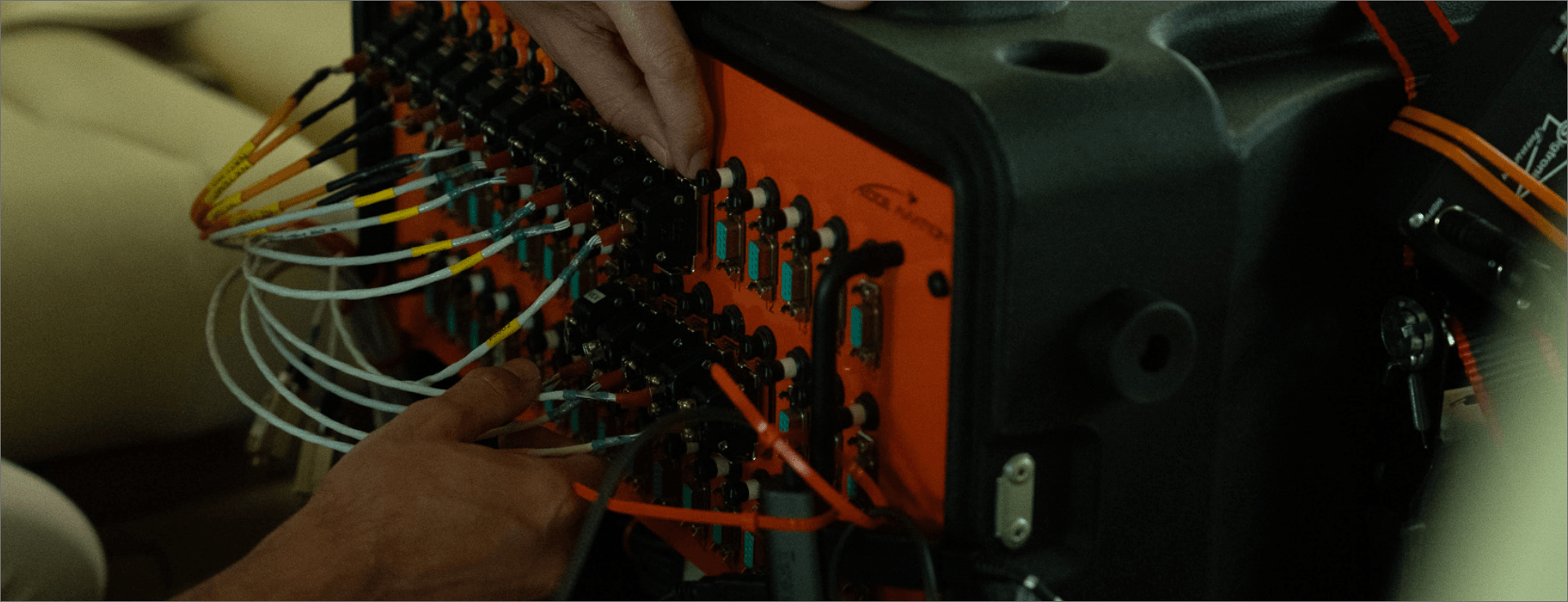
Flight data acquisition is the link between aircraft operation and engineering evidence. Recording data alone is not enough — the data must be accurate, traceable, and suitable for technical comparison within simulation, certification, and analysis workflows.
At Aeroset, data acquisition is planned as part of a controlled process. Instrumentation, parameter selection, and recording architecture are aligned with the intended use of the data, ensuring that what is captured in flight can be directly used in engineering, simulation, and qualification environments.
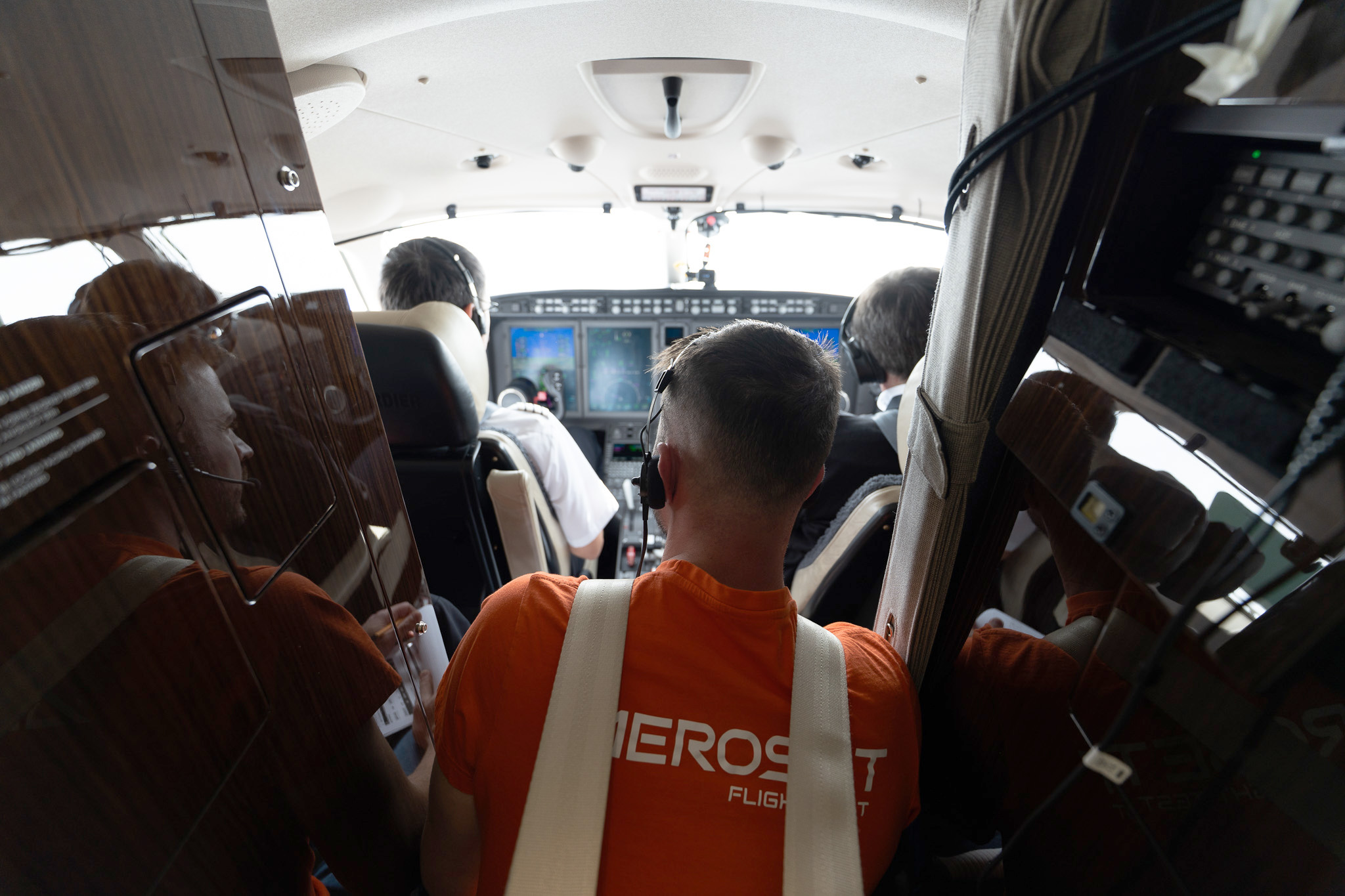
Our Contribution to Flight Data Acquisition
Flight data acquisition requires coordination between instrumentation, test execution, and data handling. Within this process, Aeroset contributes the following capabilities:
- Measurement architecture aligned with test objectives
- Aerodynamic, engine, control, systems, and environmental parameter planning
- Selection and coordination of calibrated sensors and synchronized recording systems
- Data quality assurance covering channel integrity, synchronization, completeness, and resolution
- Post-flight data processing and validation
- Toolchain-supported data handling, revision control, comparison plots, and review-ready exports
Aeroset supports instrumentation planning, parameter definition, and data acquisition architecture for programs where aircraft behaviour must be measured, analysed, and documented. The parameter set may include aerodynamic data, engine and propulsion parameters, control inputs, system states, cockpit selections, environmental conditions, and aircraft configuration information.
Where aircraft-installed data sources are not sufficient, Aeroset can support the planning and coordination of supplementary instrumentation and calibrated acquisition systems. The focus is always on usability: recorded data must be accurate, synchronized, traceable, and suitable for technical comparison.
-
Parameters We Capture
The exact parameter set depends on the aircraft, the certification basis, and the intended use of the data, but Aeroset structures every acquisition campaign around one objective: capturing data that can be used directly for engineering, validation, certification, or simulator qualification. Rather than treating parameters as a simple channel list, we define a coordinated measurement architecture that shows what the aircraft was doing, which inputs or system states caused the response, and under which environmental conditions the test point was flown.
Where available, aircraft data buses and ARINC channels are tapped and decoded to extract all already available aircraft information before supplementary instrumentation is added. This allows the campaign to make efficient use of existing aircraft data while identifying any gaps where additional calibrated sensors, interfaces, or external measurement systems are required. The result is a parameter set that is accurate, synchronized, traceable, and aligned with the final technical deliverable.
-
Main Parameter Groups
Aeroset typically structures captured data around four connected parameter groups: aerodynamic, engine, control and systems, and environmental data. Aerodynamic parameters describe the aircraft response in flight and may include altitude, airspeed, angle of attack, attitude, rates, accelerations, configuration states, and other variables needed for performance, stability, control, handling qualities, ground effect, stall, upset, or icing-related analysis.
Engine parameters support propulsion modelling and performance interpretation, including commanded power or thrust settings, spool or torque-related values, fuel flow, engine response over time, and other propulsion indicators relevant to climb, acceleration, go-around, or engine-out cases. Control and systems parameters connect pilot input and aircraft logic to the measured response, including primary control positions, trim states, mode selections, flight guidance states, warnings, indications, and system conditions. Environmental parameters provide the context needed to interpret the results, including wind, temperature, pressure, runway condition, atmospheric effects, and other external influences.
Captured together, these groups create a complete technical picture of the test condition, allowing recorded data to support engineering comparison, model correlation, certification evidence, simulator validation, and future reuse.
-
Data Quality Assurance and Engineering Preparation
The value of a flight test campaign is realized when recorded measurements are turned into reliable engineering evidence. Aeroset supports this from planning through final delivery, with quality assurance built into the campaign rather than added after the flight. This includes channel definition, synchronization checks, completeness review, parameter validation, data reduction, plotting, and structured output preparation.
A strong assurance process verifies that each channel is correctly defined, the acquisition system is synchronized, the recorded data matches the intended test conditions, and any filtering or transformation is documented. Aeroset emphasizes traceability across aircraft configuration, test conditions, parameter naming, units, processing logic, revision control, and data resolution.
The final outputs can support performance validation, handling qualities assessment, system analysis, model correlation, modification substantiation, simulator qualification, and authority-facing documentation. This turns raw flight data into a controlled evidence base for compliance, certification reporting, technical decisions, and future reuse.
-
Certification, Modification and Simulator Qualification Interfaces
Flight test validation often sits between several technical domains: certification, aircraft modification, simulator qualification, engineering development, and operational approval. Aeroset supports this interface by helping align flight test activities, recorded data, documentation, and stakeholder expectations with the intended approval or qualification path.
For TC and STC programs, this may involve coordination with OEMs, DOA partners, certification specialists, maintenance organizations, operators, and authority-facing teams. For simulator-related programs, the same flight test discipline can support Level D data packages, CS-FSTD qualification, QTG/MQTG workflows, SIMD, VSD, and VDR processes. By understanding both the aircraft side and the downstream evidence requirements, Aeroset helps customers avoid disconnected work packages and creates a clearer path from flight test execution to accepted technical output.